Conventional electrolysers, which split water into hydrogen and oxygen, need very pure water, which requires demanding treatment. In the SeaEly project, German researchers studied whether seawater or brackish water could be used directly to produce hydrogen.
The project ran from October 2022 to March 2026, was funded by the German Federal Ministry of Research and coordinated by the Fraunhofer Institute for Wind Energy Systems (IWES), together with Fraunhofer IFAM, the Technical University of Berlin and other partners. One of the aims was to find out to what extent seawater can replace drinking water in this process.
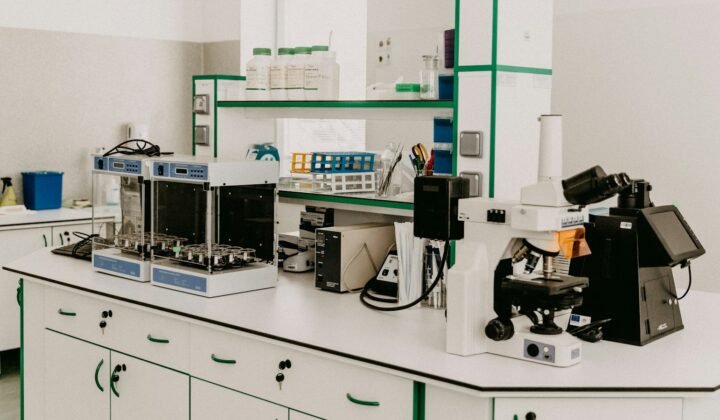
IFAM developed new membranes and tested them on a modular test rig, while IWES built a larger rig to compare different electrolysis technologies using salt or brackish water. Chlorides and other components of seawater can cause corrosion and wear, and these facilities now make it possible to study those effects over the long term.
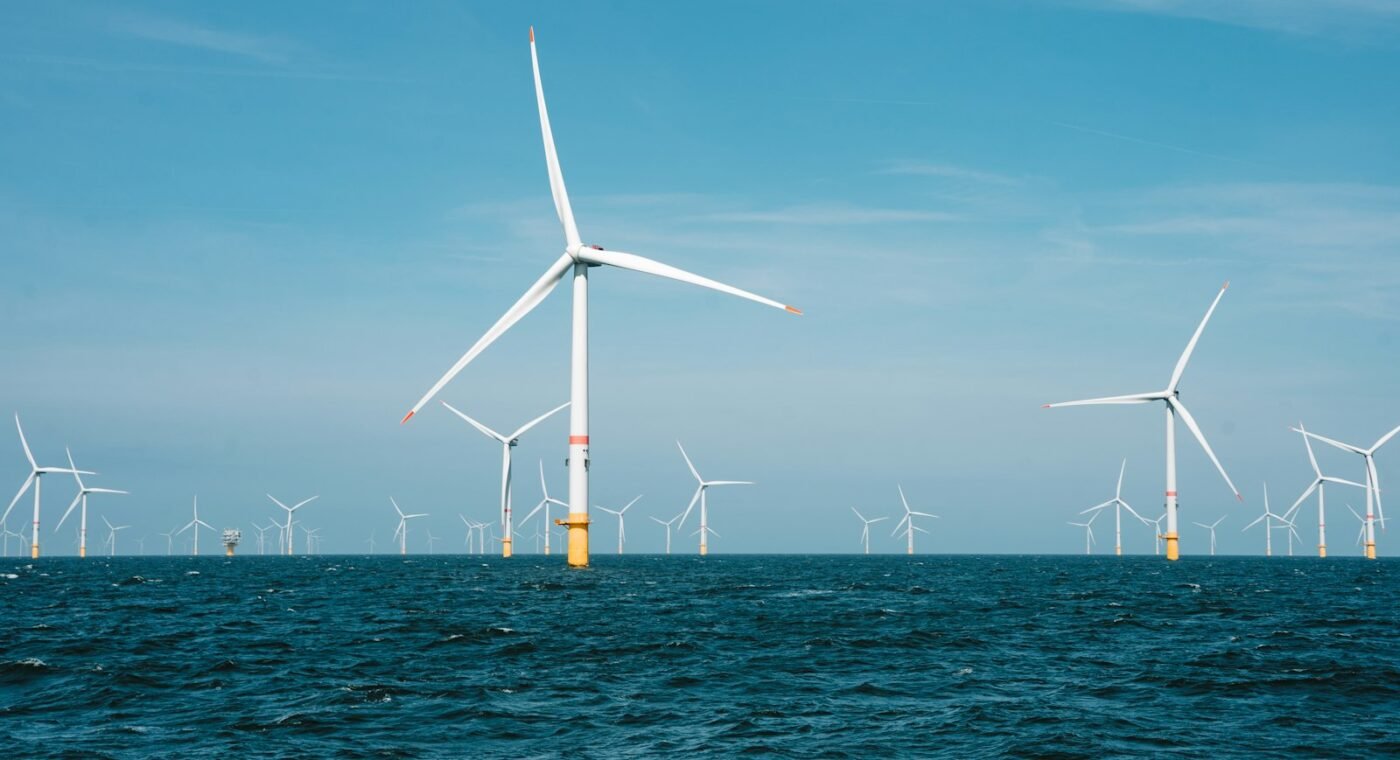
The intended application is coastal and offshore sites, where wind energy could be converted into hydrogen that can be stored and transported. The test rigs remain in use after the project and are available to industry and other projects.