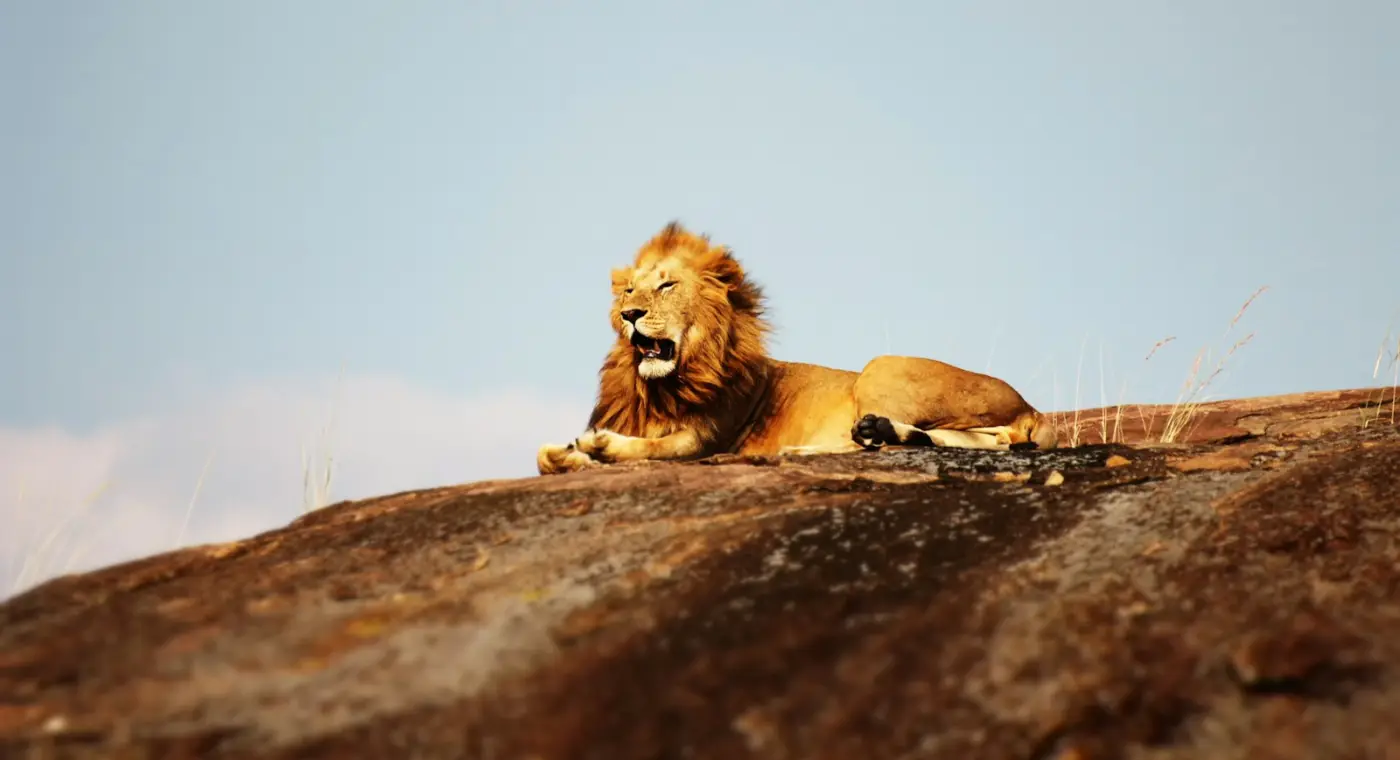
Leiden University in the Netherlands has presented four projects showing how biodiversity research supports conservation, as Armenia hosts COP17, the UN biodiversity conference.
In Tanzania, scientists Emily Strange and Michiel Veldhuis use smart collars on lions to learn when and where encounters with people happen and when they turn into conflict. A study led by Kaixuan Pan in Nature Communications showed that about a third of the world’s mining areas overlap with conservation priority zones.
In the Philippines, Merlijn van Weerd and University of the Philippines scientists analyse wild honey from Palaui island to learn about local biodiversity. In the Netherlands, tiny GPS trackers on bats in Leiden and Rotterdam revealed that the animals spend much of the night resting, often outdoors, which could change how they are protected.