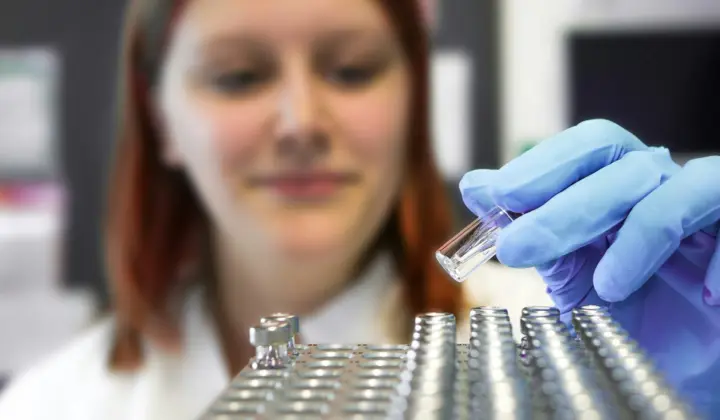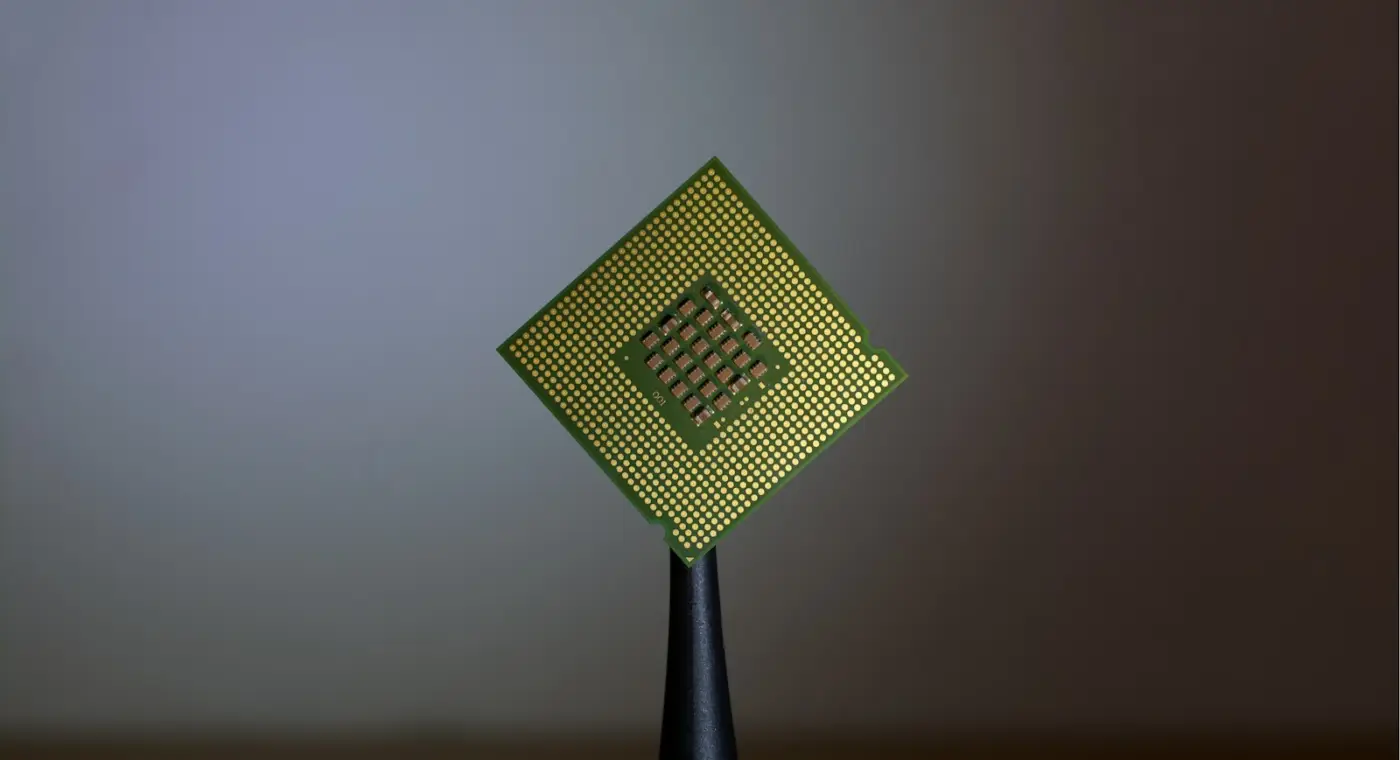
A team at the American University in Cairo (AUC) has developed an AI-enabled biochip for fast, low-cost pre-screening of diseases such as leukaemia, liver disorders, hepatitis C and malaria. The university presented the work on 18 October as a proof of concept, not yet a finished medical device.
The disposable chip uses microscopic sensors and channels through which cells flow. It measures properties such as size, mass, movement and electrical conductivity, and machine-learning models flag samples that may be diseased. Uncertain samples are referred for further testing.
According to researcher Reda Abdelbaset, accuracy on blood serum samples rose from about 80% without AI to about 91% with AI. The team estimates a mass-produced chip could cost 10 to 50 US cents, or about $1 with packaging.
The project began about a decade ago, has used tens of thousands of samples and involved hospitals and universities in Egypt, the UAE and Rwanda. Reliability under different conditions, larger datasets and regulatory testing are still needed.