The 2026 Nobel Prize in Physics has been awarded to Francis Halzen, a particle physicist born in Tienen, in Flemish Brabant, on 23 March 1944. He is only the second Belgian to receive this honour in physics, after François Englert in 2013.
Halzen studied physics at KU Leuven/UC Louvain, worked at CERN between 1969 and 1971 and has been a professor at the University of Wisconsin-Madison, in the United States, since 1972. The prize recognises his research on neutrinos, high-energy elementary particles with almost no mass that pass through all matter, including the human body.
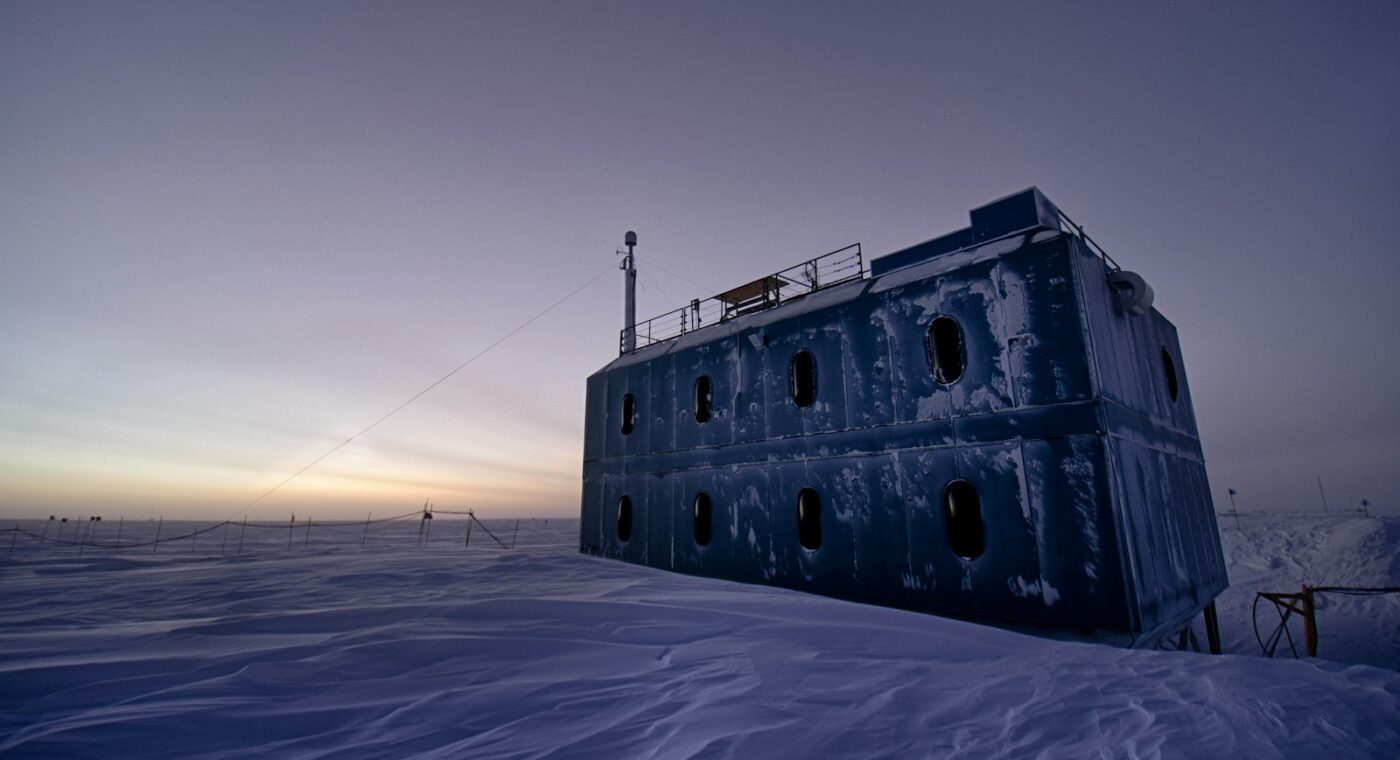
It was he who proposed building a large neutrino detector at the South Pole and who led the project, the IceCube Neutrino Observatory, built between 2005 and 2010. The central idea was that ice could serve as a detector: when a neutrino collides with a particle of ice, it produces a faint flash of blue light picked up by the sensors.
According to the Nobel Committee, Halzen’s discovery and scientific leadership were fundamental to IceCube, a cubic kilometre of ice equipped with light sensors that makes it possible to detect neutrinos originating from extremely high-energy processes in the distant universe.