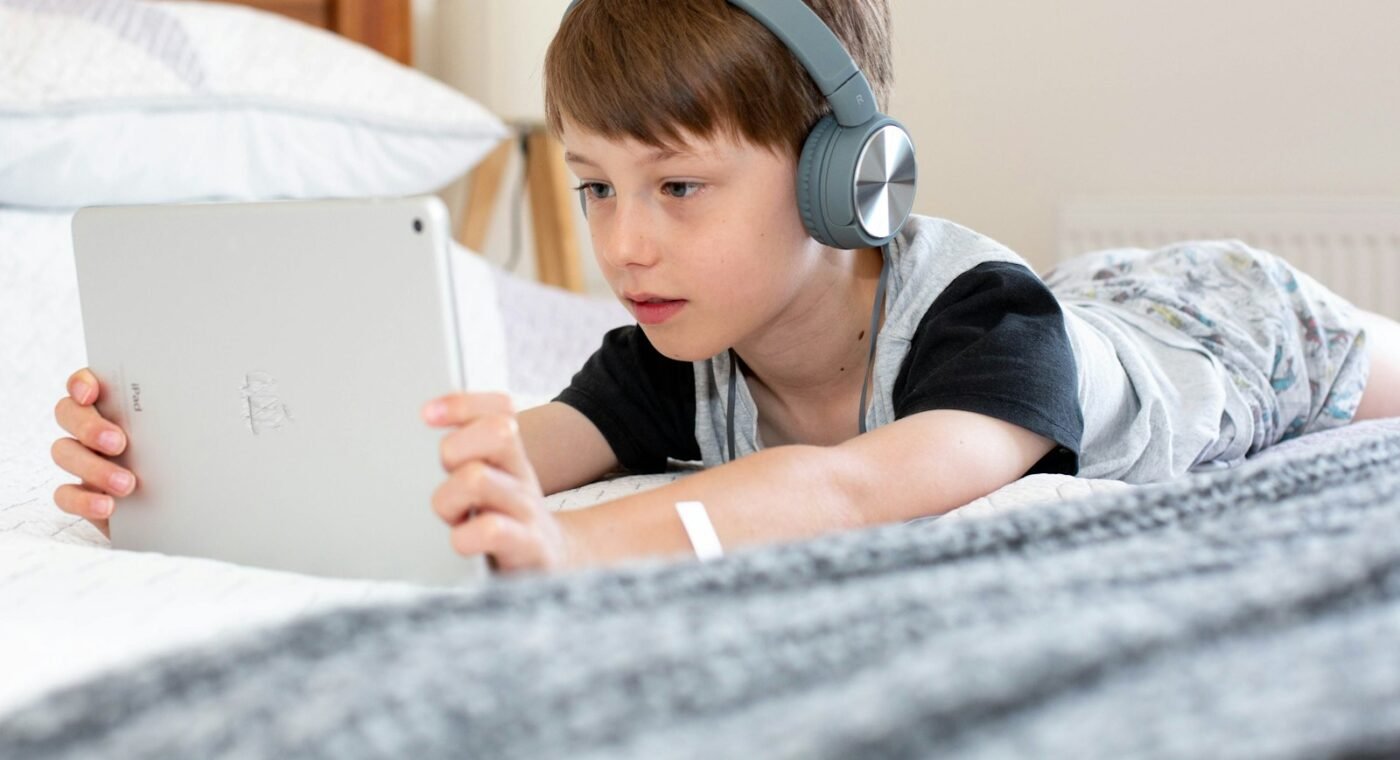
Researchers at the University of Fribourg in Switzerland had 34 children aged four to six, who could not yet read, play Fruit Ninja for 20 minutes while wearing glasses that record eye movements. The study was published in the journal iScience.
The children also did a rapid naming task, saying the names of pictured objects as quickly as possible, a skill considered a good indicator of later reading fluency. Those who scored better in the game tended to name the objects faster.
The ability to look directly at a fruit and react was the most closely linked to the naming task. The children also looked faster at fruit on the right side, an advantage seen in people who read from left to right, suggesting that the visual system starts adapting to reading before it is formally taught.
The authors stress that the sample is small and that the study shows associations, not causes: it does not prove that playing Fruit Ninja helps reading, nor can it be used to diagnose dyslexia. The next step is to follow these children over time.