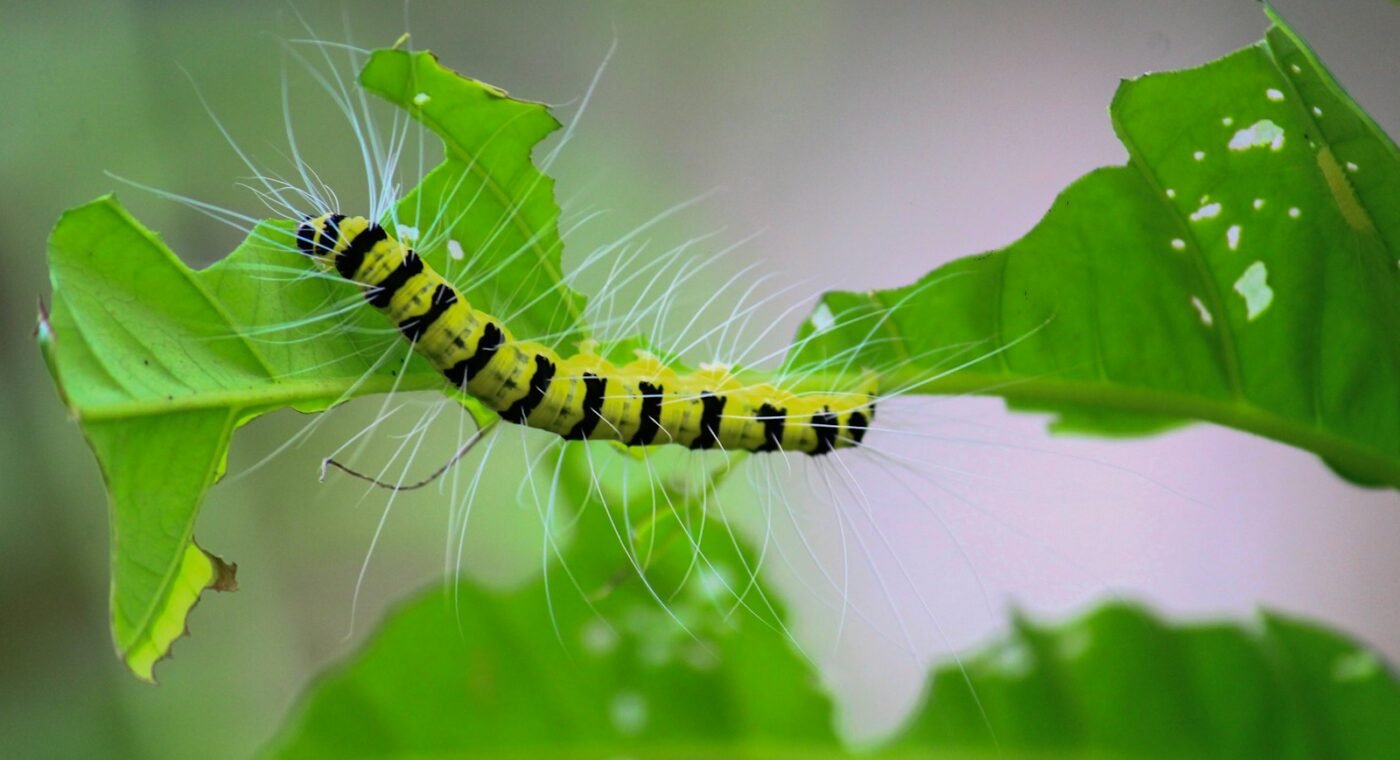
This summer, caterpillars of the fall webworm (Hyphantria cunea), an invasive species native to North America, covered trees in Beijing and surrounding areas. The larvae spin greyish-white webs as they devour foliage and later turn into white moths.
Although they pose no danger to people, these insects threaten hundreds of plant species. To fight them, authorities are releasing more than a billion parasitic wasps, a method of biological control, and encouraging caterpillar-catching contests.
Chen Min, a professor at Beijing Forestry University, wrote in China Science Daily that this generation of larvae carries a higher-than-usual risk of spreading. That makes control harder and underlines the importance of the current response.