A team at ETH Zurich in Switzerland, led by Martin Fussenegger of the Department of Biosystems Science and Engineering in Basel, has developed an electronic implant that removes excess glucose from the blood. The work was published in Science.
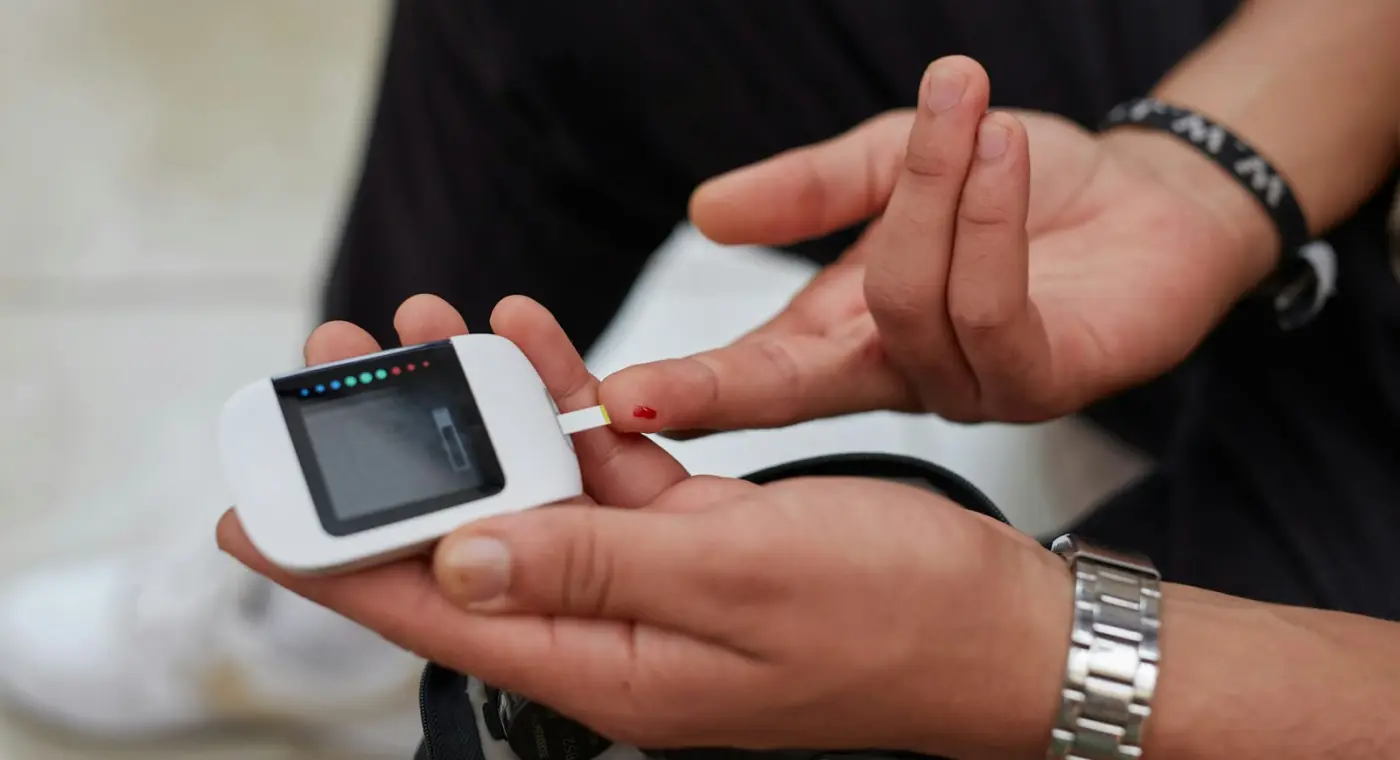
The implant uses an entirely inorganic catalyst, made of graphite felt coated with tiny gold clusters and platinum particles, which converts glucose into gluconate, excreted in urine. It works in a closed loop: a standard glucose sensor sends a signal via Bluetooth to a smartphone or smartwatch, which switches the catalyst on and off again when sugar reaches the target level. Power is supplied wirelessly.
In the laboratory, the catalyst converted the glucose in 5 litres of solution. In diabetic mice, it regulated blood sugar, the animals lost weight, the implant was well tolerated and it worked reliably for six weeks, with no signs of tissue damage.
The device has not yet been tested in humans. The team now wants to develop it into a medical device and notes that the components are already commercially available.