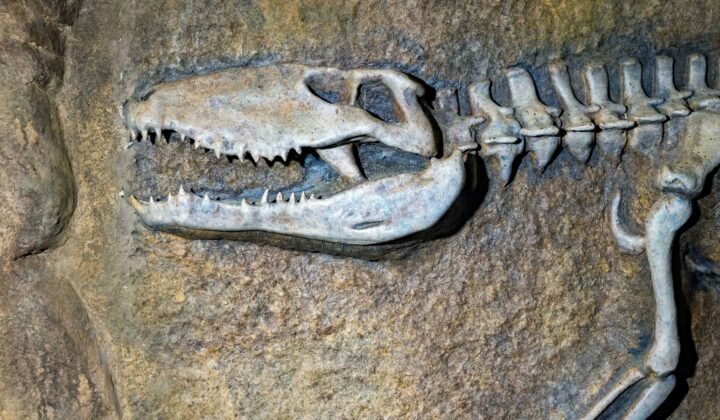
‘Little Foot’ skeleton helps show when human ancestors came down from the trees
A study of the limb bones of this South African fossil, around 3.67 million years old, points to a major shift in how our ancestors moved.
खोजें, आविष्कार और ऐसी प्रगति जो जीवन को बेहतर बनाती है।
A study of the limb bones of this South African fossil, around 3.67 million years old, points to a major shift in how our ancestors moved.
A study from St Petersburg State University shows that the exchange of DNA segments explains the evolution of Cry toxins, the basis of more than half of plant-protection products.
The Aalto University professor was honoured in Helsinki for more than four decades of wood chemistry research and for co-creating the Chemarts platform.
Lund University researchers have identified the chain of molecular signals that links touch, wind or injury to changes in plant genes and growth.
EPFL scientists have found that some microbes sense contact and change direction to explore their environment better.
A project led by Linköping University seeks to create strong, flexible materials using plant cells as building blocks.
Micro-organisms collected from alpine lakes reduced the infectivity of viruses in laboratory tests.
A system developed at Chalmers plans experiments, analyses results and proposes new tests in an automated loop.
A tiny EPFL sensor distinguishes several microcystins and reaches concentrations far below the limit recommended by the WHO.
The detector housed in INFN's underground laboratories has completed the scientific programme it began in 2017, leaving data and technologies for future experiments.
The world's first two nuclear clocks, based on thorium-229, have been presented in the journal Nature by teams in Beijing and Vienna.
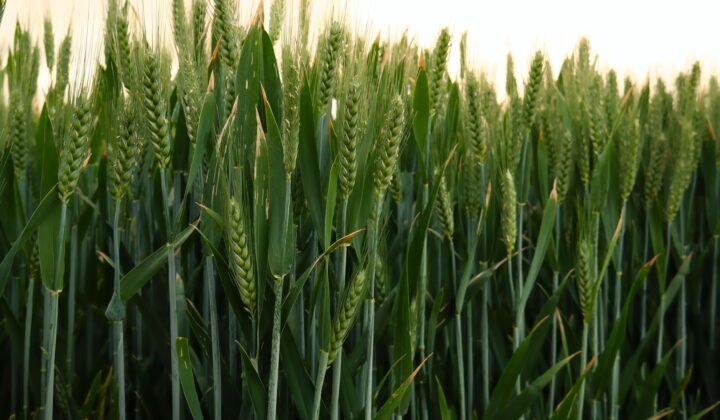
Russian chemists have developed a chitosan and glyoxal treatment that, in the laboratory, raised wheat productivity more than 1.5-fold and lowered the risk of disease.
Every morning at 8, a story to make you smile. No spam, no drama.