Bacteria use collisions to find their way in tight spaces
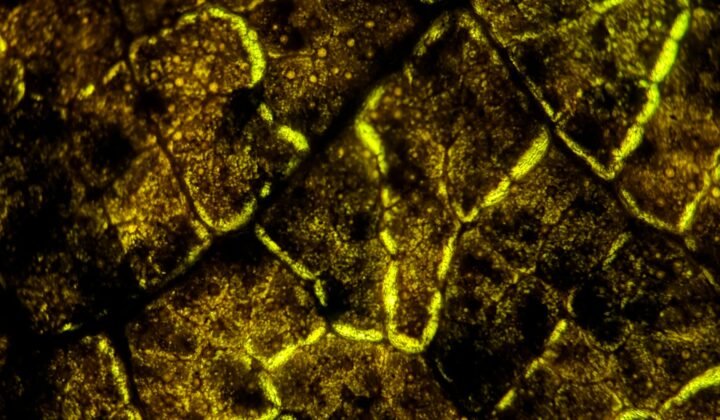
EPFL scientists have found that some microbes sense contact and change direction to explore their environment better.
আবিষ্কার, উদ্ভাবন এবং এমন অগ্রগতি যা জীবনকে আরও ভালো করে।
EPFL scientists have found that some microbes sense contact and change direction to explore their environment better.
A project led by Linköping University seeks to create strong, flexible materials using plant cells as building blocks.
Micro-organisms collected from alpine lakes reduced the infectivity of viruses in laboratory tests.
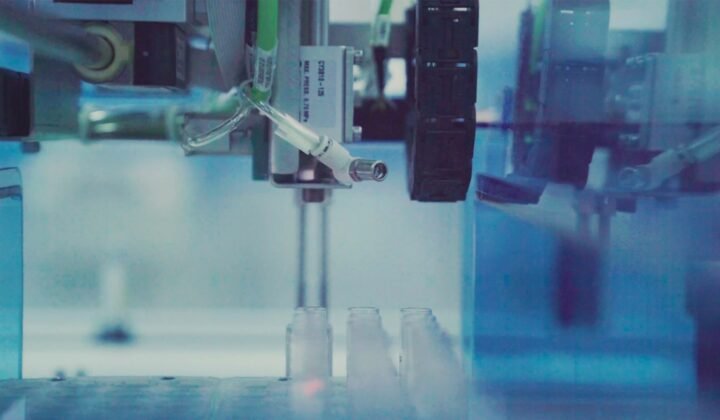
A system developed at Chalmers plans experiments, analyses results and proposes new tests in an automated loop.
A tiny EPFL sensor distinguishes several microcystins and reaches concentrations far below the limit recommended by the WHO.
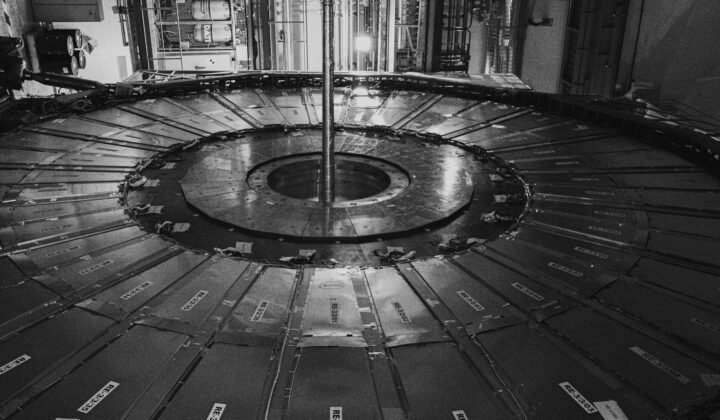
The detector housed in INFN's underground laboratories has completed the scientific programme it began in 2017, leaving data and technologies for future experiments.
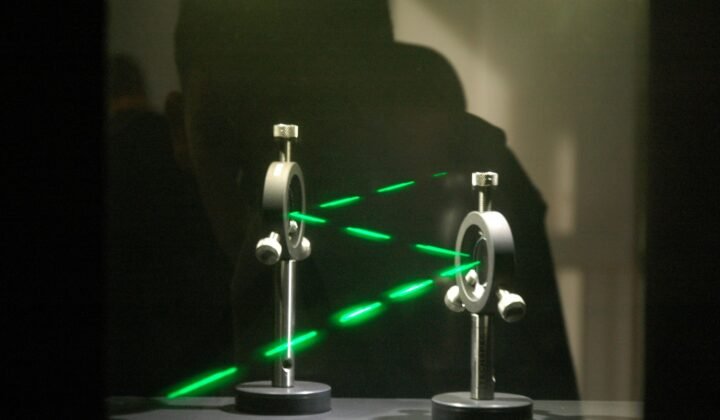
The world's first two nuclear clocks, based on thorium-229, have been presented in the journal Nature by teams in Beijing and Vienna.
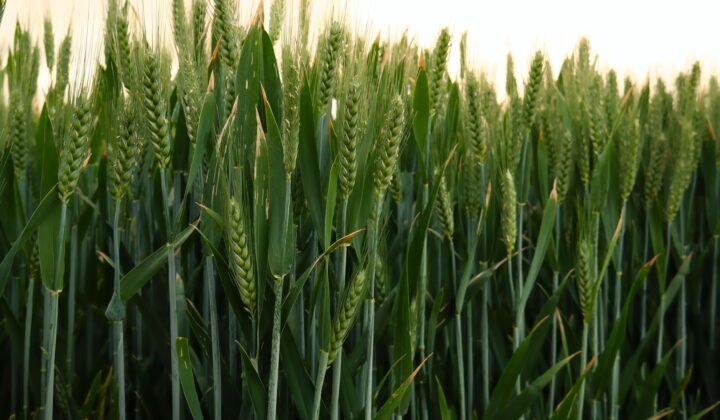
Russian chemists have developed a chitosan and glyoxal treatment that, in the laboratory, raised wheat productivity more than 1.5-fold and lowered the risk of disease.
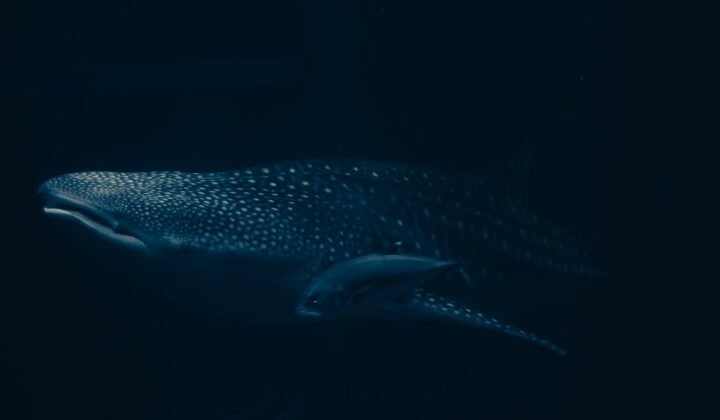
UCLouvain researchers have shown that the kitefin shark, the largest known luminous vertebrate, erases its own silhouette to approach prey swimming below it.
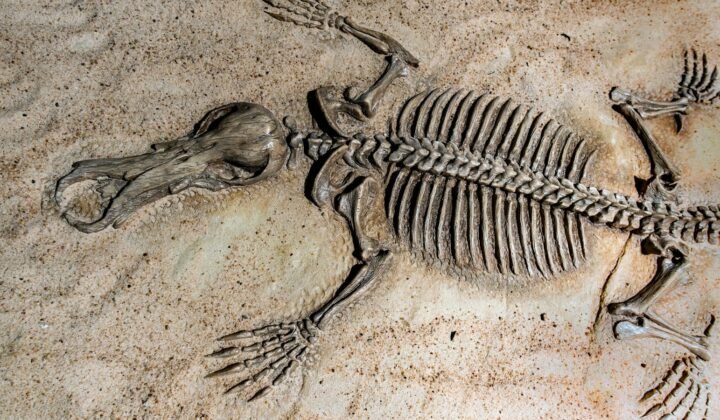
Norellraptor barsboldi, about 100 million years old, suggests flight arose independently in several dinosaur lineages.
A study involving the University of Padua used the eruption of AD 79 to make a geological dating method about twice as precise.
The 76-year-old Japanese chemist shares the prize with Frenchman Henri Kagan for work on molecules that exist in two mirror-image versions, essential for manufacturing many medicines.
Every morning at 8, a story to make you smile. No spam, no drama.