Swiss atlas reveals 539 hidden chemical “neighbourhoods” in the brain
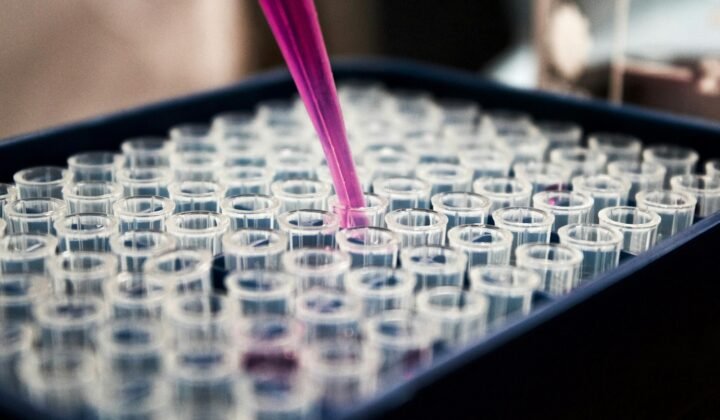
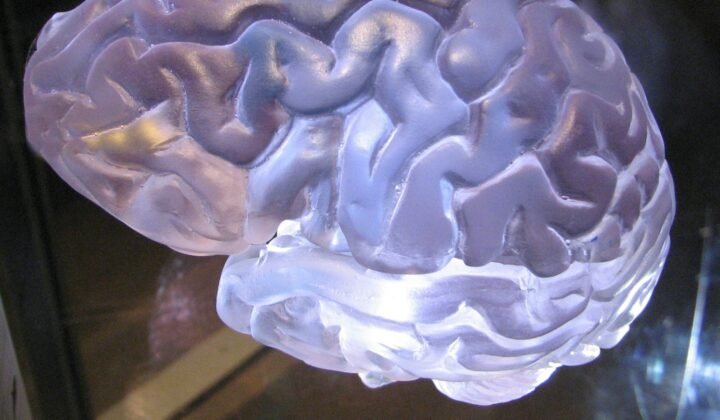
EPFL researchers have created the first detailed 3D map of lipids in the mouse brain and made it freely available to scientists worldwide.
EPFL researchers have created the first detailed 3D map of lipids in the mouse brain and made it freely available to scientists worldwide.
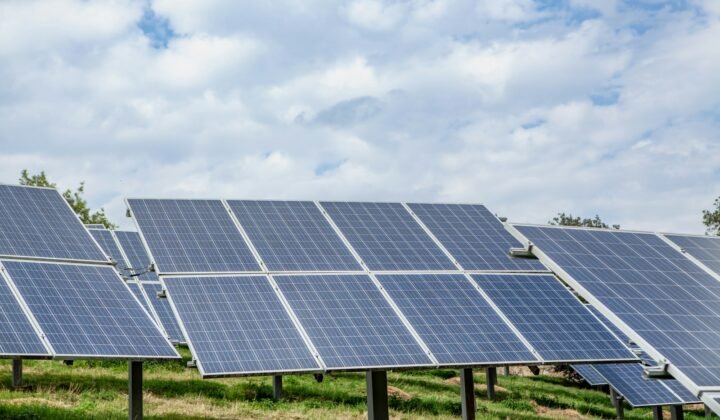
The triple-junction technology from EPFL and CSEM reached a certified efficiency of 30.02% and was designed for larger-scale production.
Luminescent polymers that withstand photolithography make it possible to create tiny, colourful and highly precise light sources.
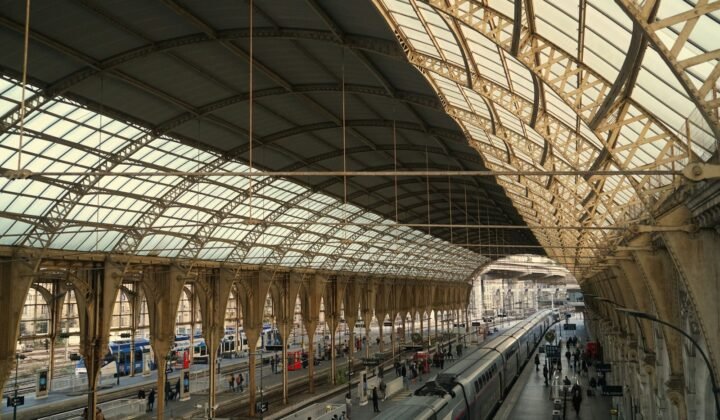
A Swiss study analysed more than 31,000 stations and showed the potential to cut waiting times without making trains faster.
EPFL's open-source calculator shows in detail where each laboratory can reduce its carbon footprint.
EPFL scientists have found that some microbes sense contact and change direction to explore their environment better.
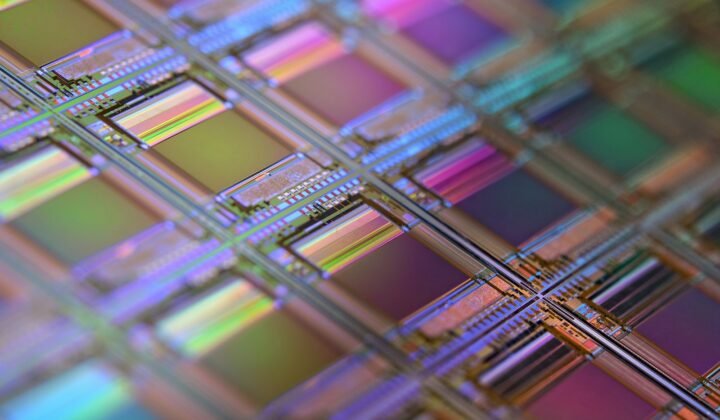
The chip-based device cut frequency noise more than 5,000-fold and could make precision sensors more compact.
EPFL researchers have created a flexible motor just a few millimetres thick for lightweight, adaptable devices.
Micro-organisms collected from alpine lakes reduced the infectivity of viruses in laboratory tests.
Researchers have identified how a treatment can strengthen cellular defences and help antibiotics act against hidden bacteria.
A Swiss technology tailors the working fluid to each company's needs, making heat pumps more efficient and flexible.
A tiny EPFL sensor distinguishes several microcystins and reaches concentrations far below the limit recommended by the WHO.
Every morning at 8, a story to make you smile. No spam, no drama.