New Finnish line makes fibre products with around 90% less water
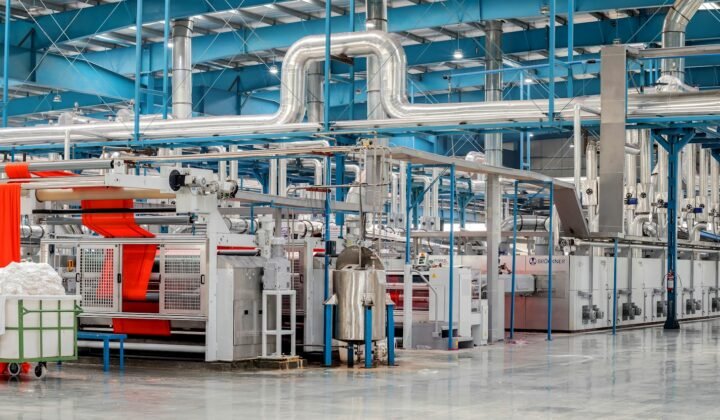
VTT's AirLaid pilot facility is testing fibre materials with large cuts in water use and drying energy.
VTT's AirLaid pilot facility is testing fibre materials with large cuts in water use and drying energy.
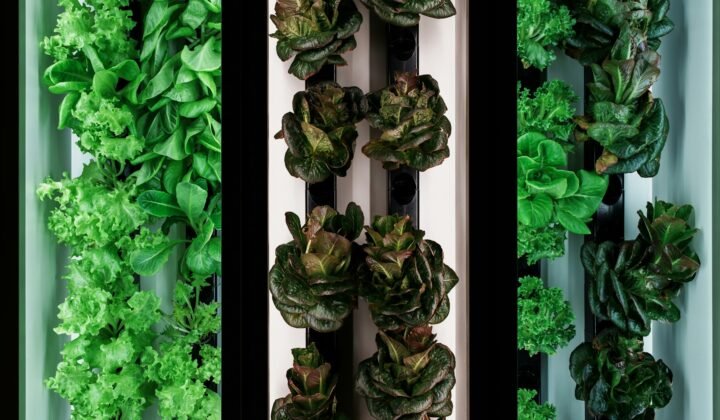
A fully automated facility handles indoor growing from seed to packaging and aims to strengthen food security.
A system developed at Chalmers plans experiments, analyses results and proposes new tests in an automated loop.
A Swiss technology tailors the working fluid to each company's needs, making heat pumps more efficient and flexible.
A study indicates that the stiffness of tumour tissue affects the immune system's ability to fight cancer and could guide more personalised treatments.
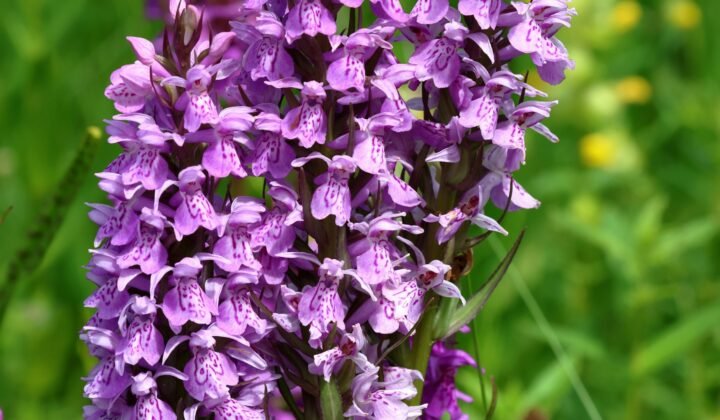
Laboratory-grown orchids have been planted in traditional hay meadows to strengthen populations of a threatened species.
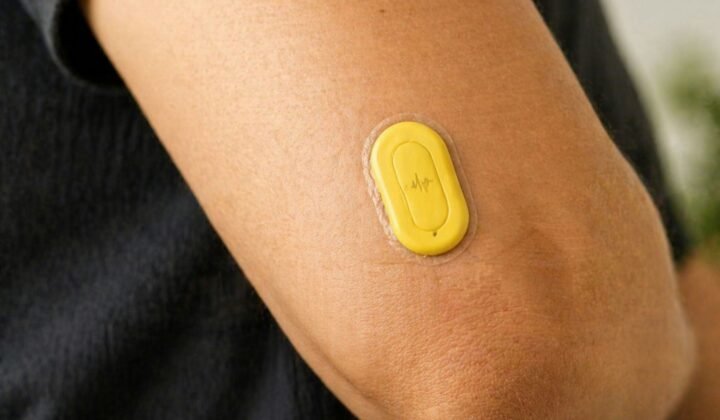
Research into more sustainable sensors could help track health through wounds and sweat and detect harmful bacteria in water.
A tiny EPFL sensor distinguishes several microcystins and reaches concentrations far below the limit recommended by the WHO.
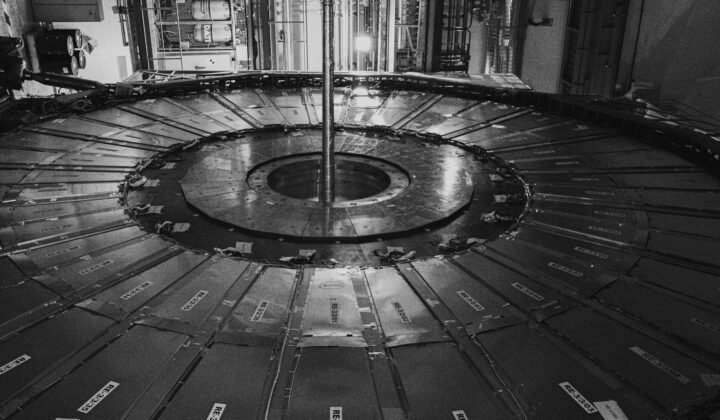
The detector housed in INFN's underground laboratories has completed the scientific programme it began in 2017, leaving data and technologies for future experiments.
A facility on Bohai Bay is using over 50% less energy and turning waste brine into industrial-grade salt.
Year 11 pupil Elima Afzalshoeva was part of the Russian team that topped the overall standings at IOCE 2026 for the third year running.
The Pyramid26 mission took 21 researchers to the Piramide laboratory in Nepal and gathered 170 overnight recordings of brain activity to understand how altitude changes sleep.
Every morning at 8, a story to make you smile. No spam, no drama.