Rewilded yards improve the microbiome in just three months
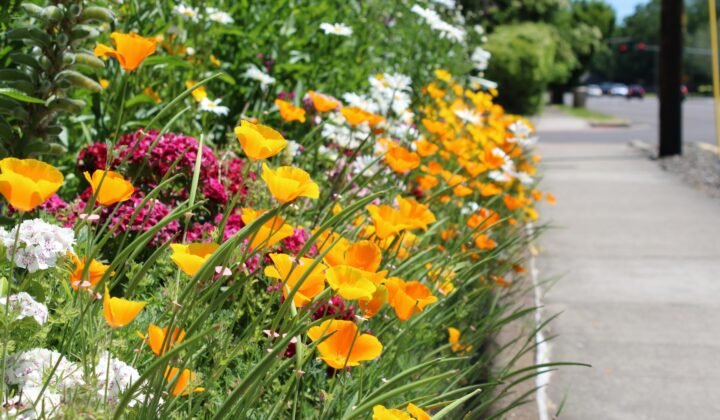
A Finnish study found potentially beneficial changes in the microbiome and the inflammatory response after urban yards were rewilded.
A Finnish study found potentially beneficial changes in the microbiome and the inflammatory response after urban yards were rewilded.
A new SINTEF pilot facility uses microorganisms to convert carbon dioxide into useful products.
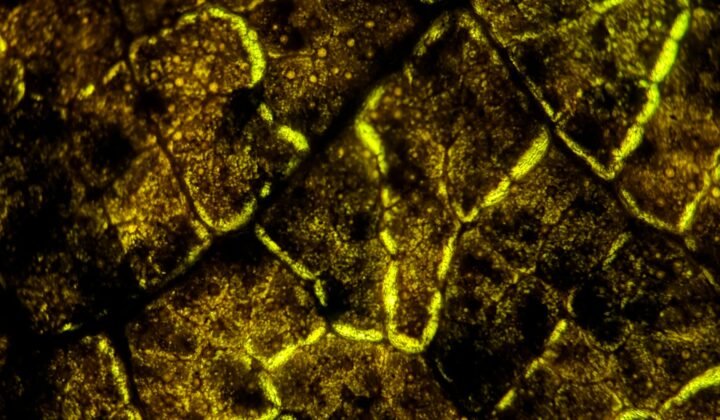
A project led by Linköping University seeks to create strong, flexible materials using plant cells as building blocks.
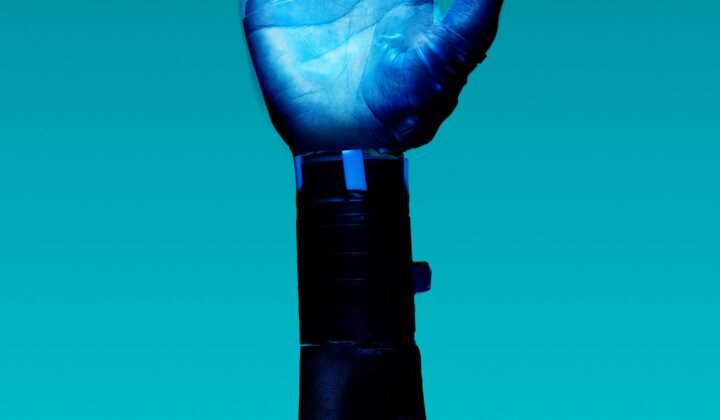
EPFL researchers have created a flexible motor just a few millimetres thick for lightweight, adaptable devices.
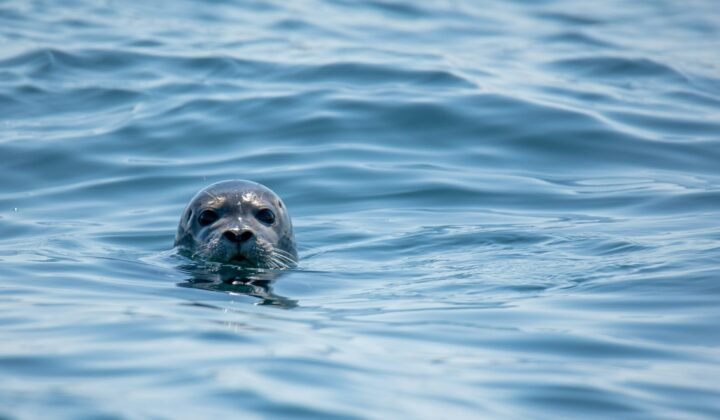
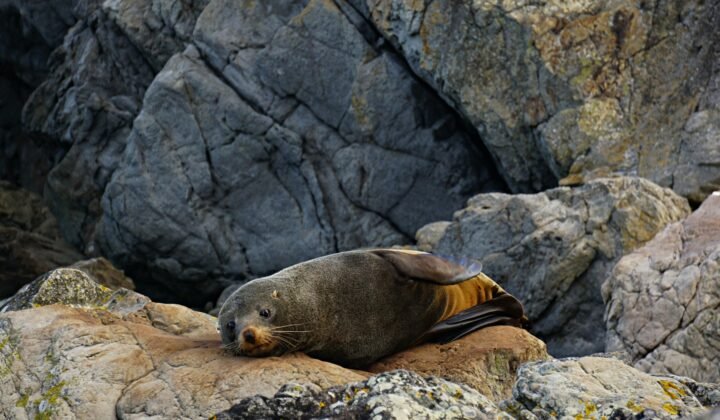
The publication of the first chromosome-level reference genome provides a new tool to protect the small population of Saimaa seals.
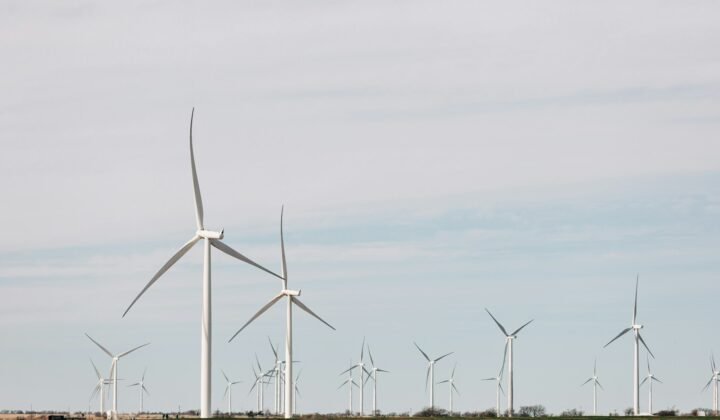
The SKARV project is developing a system that predicts bird flight to reduce the risk of collisions at wind farms.
Chalmers researchers converted grass and clover residues into cellulose fibres and produced a fabric sample.
Micro-organisms collected from alpine lakes reduced the infectivity of viruses in laboratory tests.
A conservation initiative sets an ambitious target and brings together new measures to protect the Saimaa ringed seal.
A new model helps anticipate the busiest days and hours at one of Norway's most visited natural attractions.
A reconfigurable system bypasses weakened cells and could delay the replacement of electric vehicle batteries.
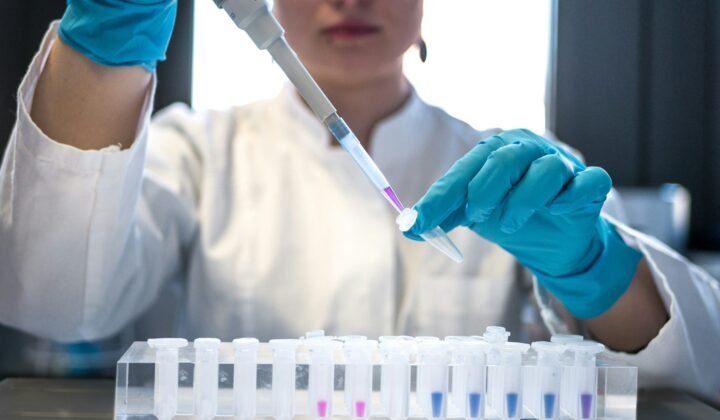
Researchers have identified how a treatment can strengthen cellular defences and help antibiotics act against hidden bacteria.
Every morning at 8, a story to make you smile. No spam, no drama.