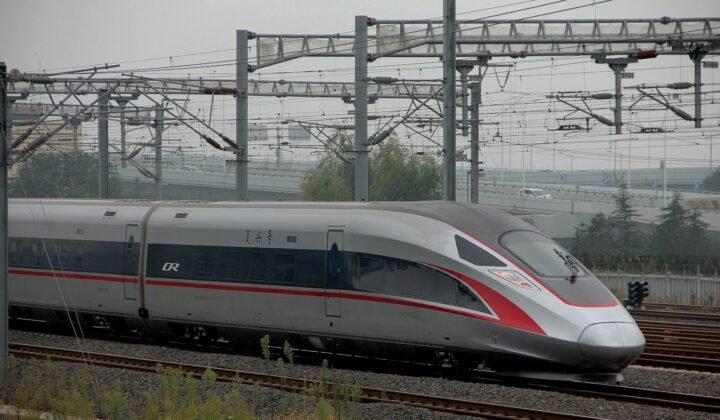
China opens four new high-speed lines totalling more than 1,100 kilometres
The new lines reach smaller cities, cut journeys by hours and include the country's northernmost high-speed railway.
The new lines reach smaller cities, cut journeys by hours and include the country's northernmost high-speed railway.
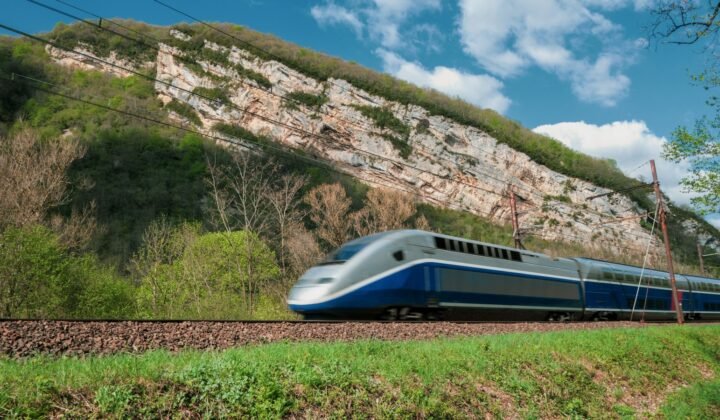
Two diesel trains have been converted to run on batteries and are already carrying passengers in southern France with no direct emissions.
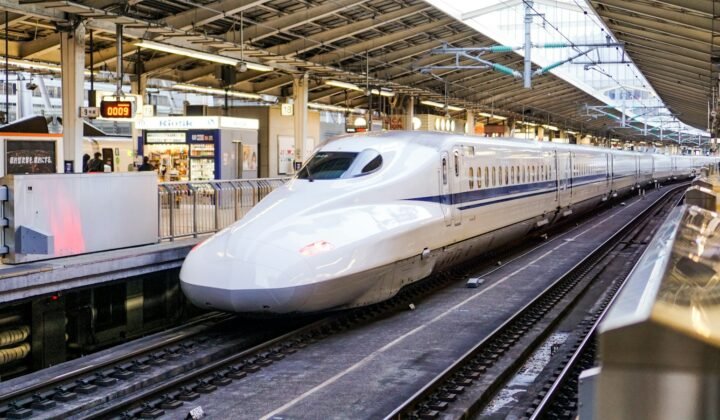
The Shinkansen's new "Supreme Class" between Tokyo and Hakata debuted on 1 October, with single and two-person rooms.
The University of Cambridge and IonQ have opened a quantum technology research centre, with nine projects already selected.
Researchers at North Carolina State University have created an antenna born from a laser beam that could one day change its length and direction.
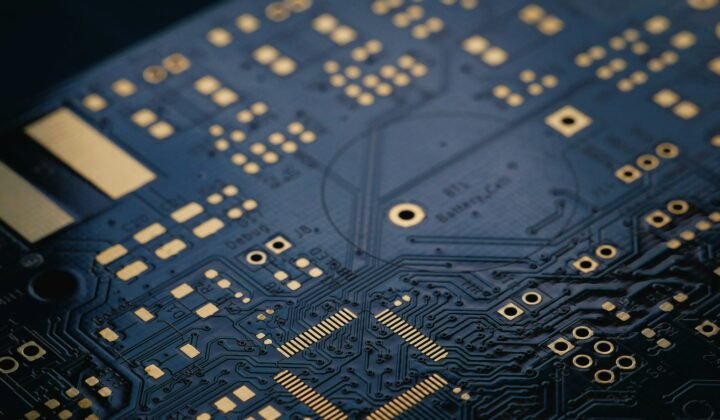
KAIST researchers have developed an electronic component that uses physical changes in the semiconductor itself to control when information can be revealed.
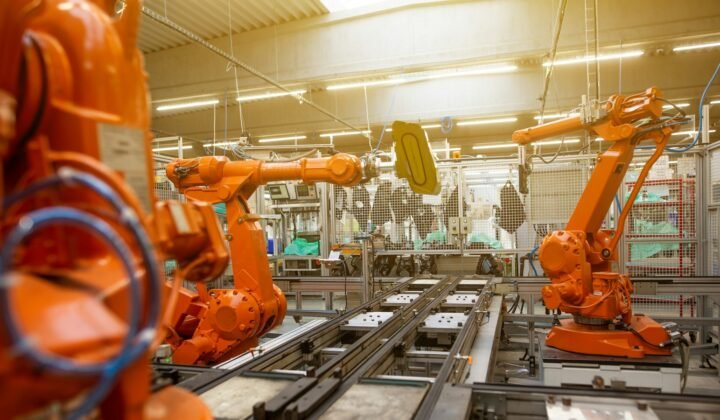
The incubator has gained almost 2,000 square metres in Leiria's municipal market and is preparing a "Physical AI" lab open to companies and the university.
Researchers at the University of Central Florida have found signs of altermagnetism in a layered material that could help create more efficient electronics.
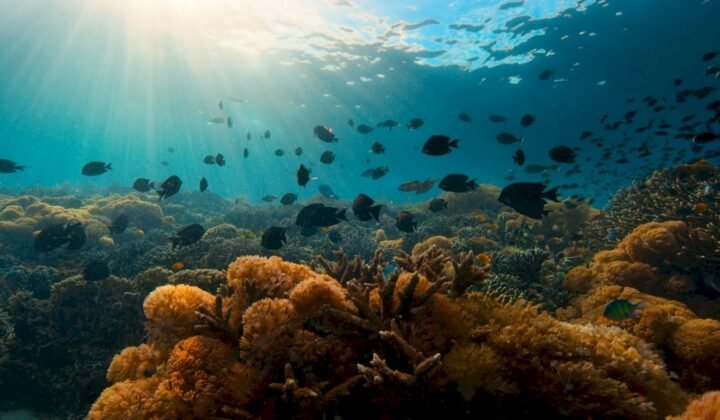
Two Scripps-led studies in Hawaii show that playing the sounds of a living reef underwater attracts coral and fish larvae.
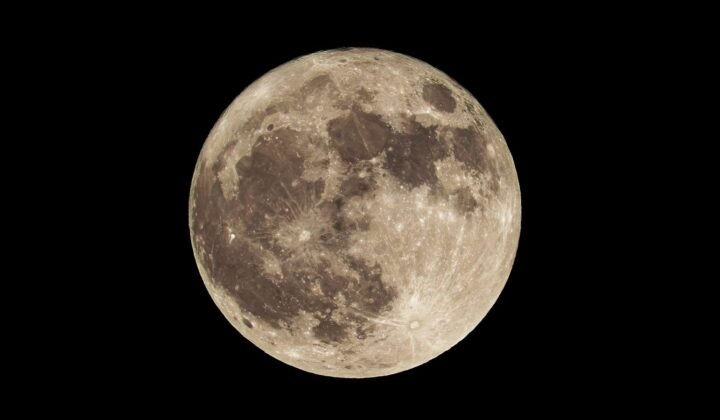
A Nanjing University team analysed rocks returned by China's Chang'e-6 mission and suggests that heat from Earth's tides shaped the early Moon.
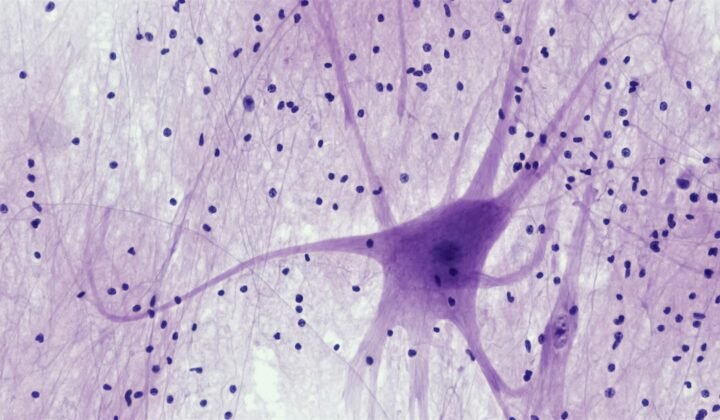
Researchers at the Faculty of Sciences of the University of Lisbon have identified small antibody fragments that block the build-up of the Tau protein in the lab.
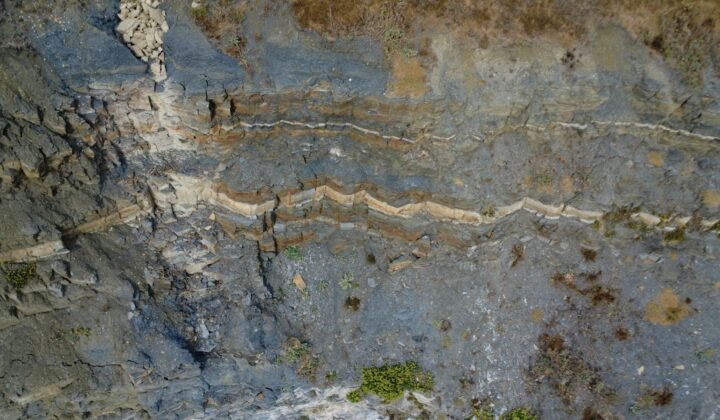
Ancient rocks from South Africa reveal a natural cycle that helped oxygen build up in the atmosphere after the Great Oxidation Event.
Every morning at 8, a story to make you smile. No spam, no drama.