A team led by Hejiu Hui of Nanjing University in China analysed rocks collected by the Chang’e-6 mission, the first to return samples from the far side of the Moon, and put forward an explanation for why the two lunar faces are so different. The study was published in National Science Review.
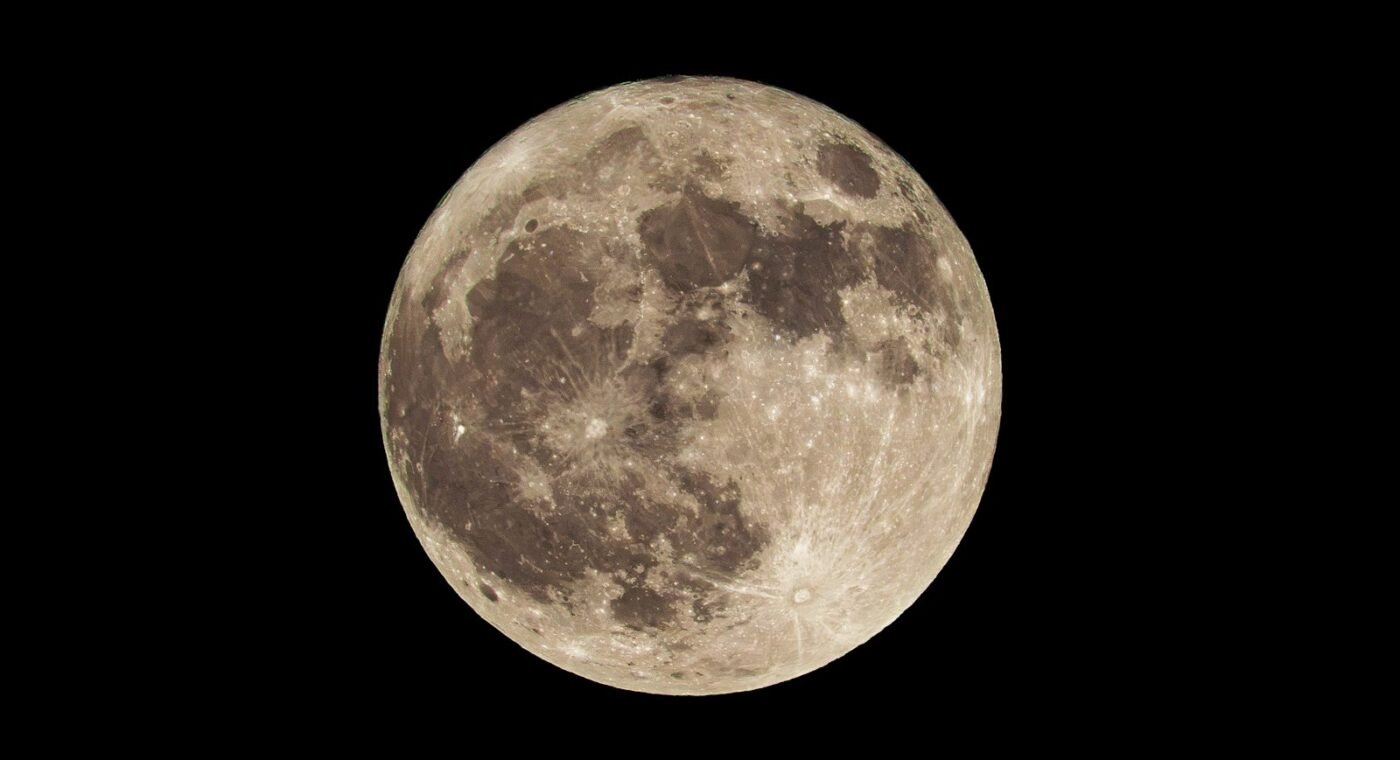
The side facing Earth has vast dark plains of volcanic basalt, while the far side is dominated by very old, heavily cratered highlands with a thicker crust. Comparing the new samples with those from the Apollo and Chang’e-5 missions, the scientists concluded that the lunar mantle is chemically similar on both sides, but the crust is not.
According to the proposed model, once the Moon began always showing the same face to Earth, tidal forces heated the near side more. That temperature difference is thought to have set huge currents in motion in the early magma ocean, carrying magnesium-rich material to the far side and thickening the crust there.
The results link samples from both hemispheres to the Moon’s early thermal history and help shed light on one of the oldest puzzles in planetary science.