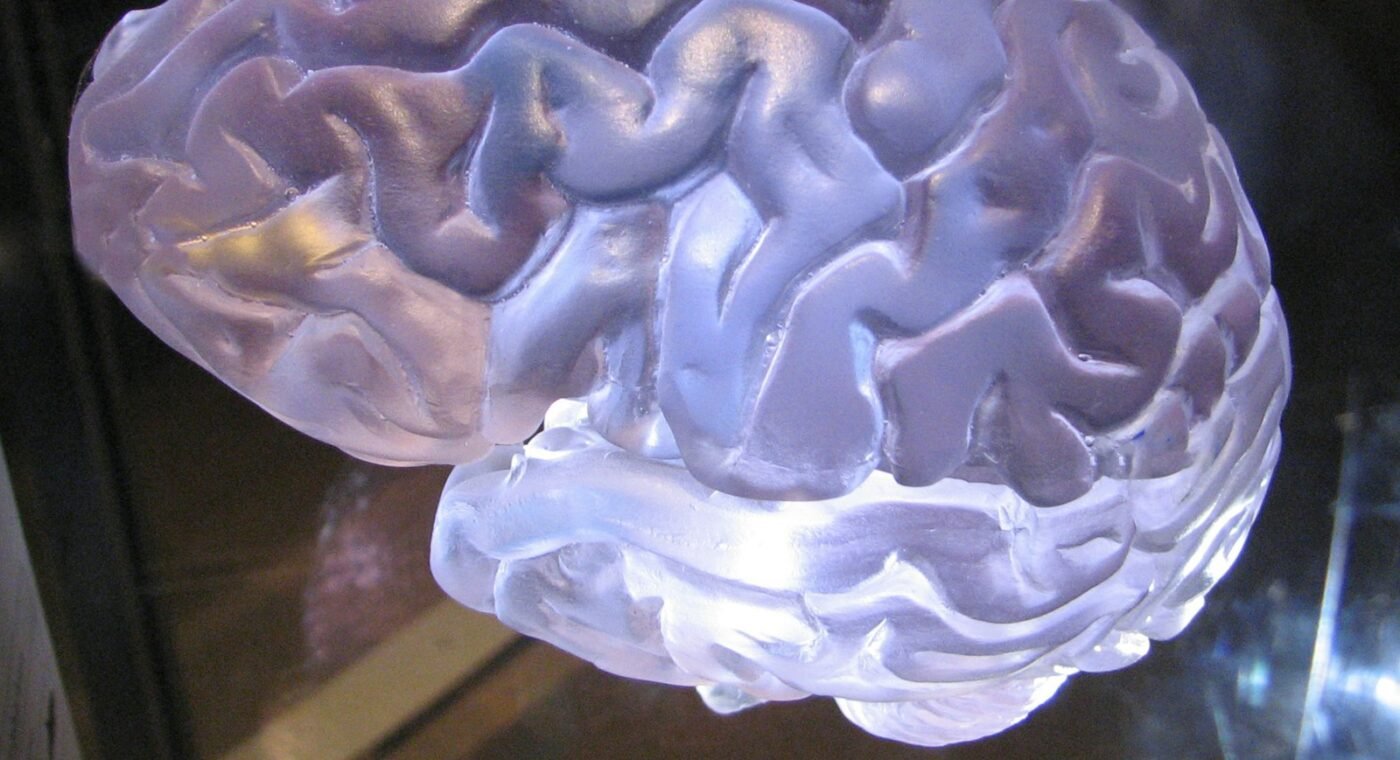
Researchers at the Swiss Federal Institute of Technology in Lausanne (EPFL) have created the first detailed three-dimensional map of brain lipids, the fatty molecules that make up neuron membranes and the myelin that protects nerve fibres. The work was published in Nature.
The team analysed 172 different lipids in 109 brain slices from 11 mice, around 7 million measurements in total, and used machine learning tools to combine everything into a 3D model. The result revealed 539 distinct chemical zones, which they called “lipizones”, some of which do not appear on traditional maps.
Even white matter, once thought to be fairly uniform, turned out to be a patchwork of chemically different regions. The atlas also showed that pregnancy causes significant changes in the lipid composition of several brain areas.
The Lipid Brain Atlas is freely available online. The authors point out that the map concerns the mouse, but the method could help find similar patterns in the human brain and study conditions such as Alzheimer’s disease or depression.