An international team, including geologist Andrey Bekker of the University of California, Riverside, has found clues about how Earth managed to keep enough oxygen in its atmosphere after the Great Oxidation Event, around 2.3 billion years ago. The study was published in Nature Communications.
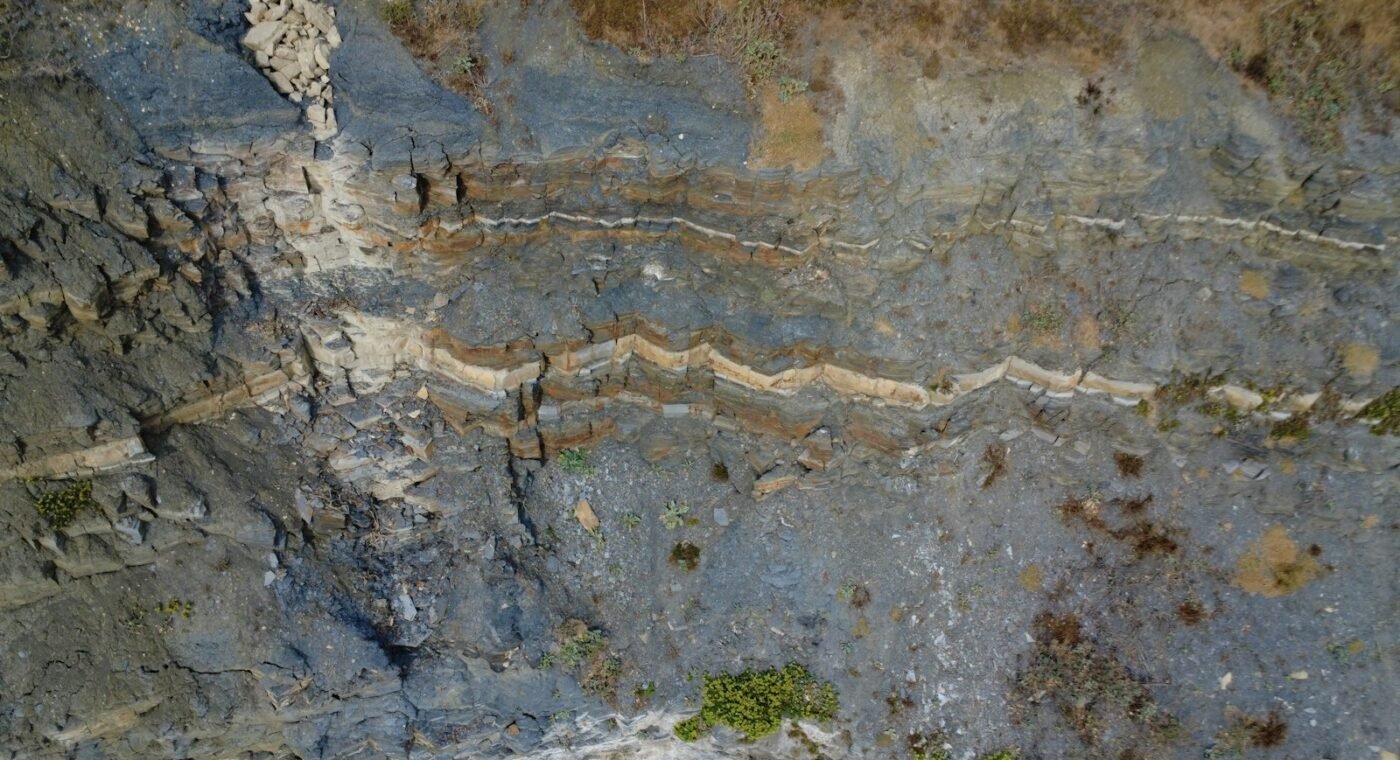
By analysing ancient rocks from South Africa with a new technique, the scientists separated the phosphorus that was available to living things from the phosphorus locked in minerals. The results point to a self-reinforcing cycle: with more oxygen, seawater gained sulfate, which certain microbes used to break down organic matter, releasing phosphorus.
With more phosphorus available, marine life became more productive and more organic carbon was buried in sediments. Because the breakdown of that carbon consumes oxygen, burying it helped oxygen keep building up in the atmosphere.
The researchers believe that understanding these links between oxygen, nutrients and life could help anticipate the future of today’s oceans and search for signs of life on other ocean worlds.