The scientific programme of the CUORE experiment, housed at the Gran Sasso National Laboratories of Italy’s National Institute for Nuclear Physics (INFN), has officially come to an end. The experiment had been running since 2017 and was designed to study the properties of neutrinos.
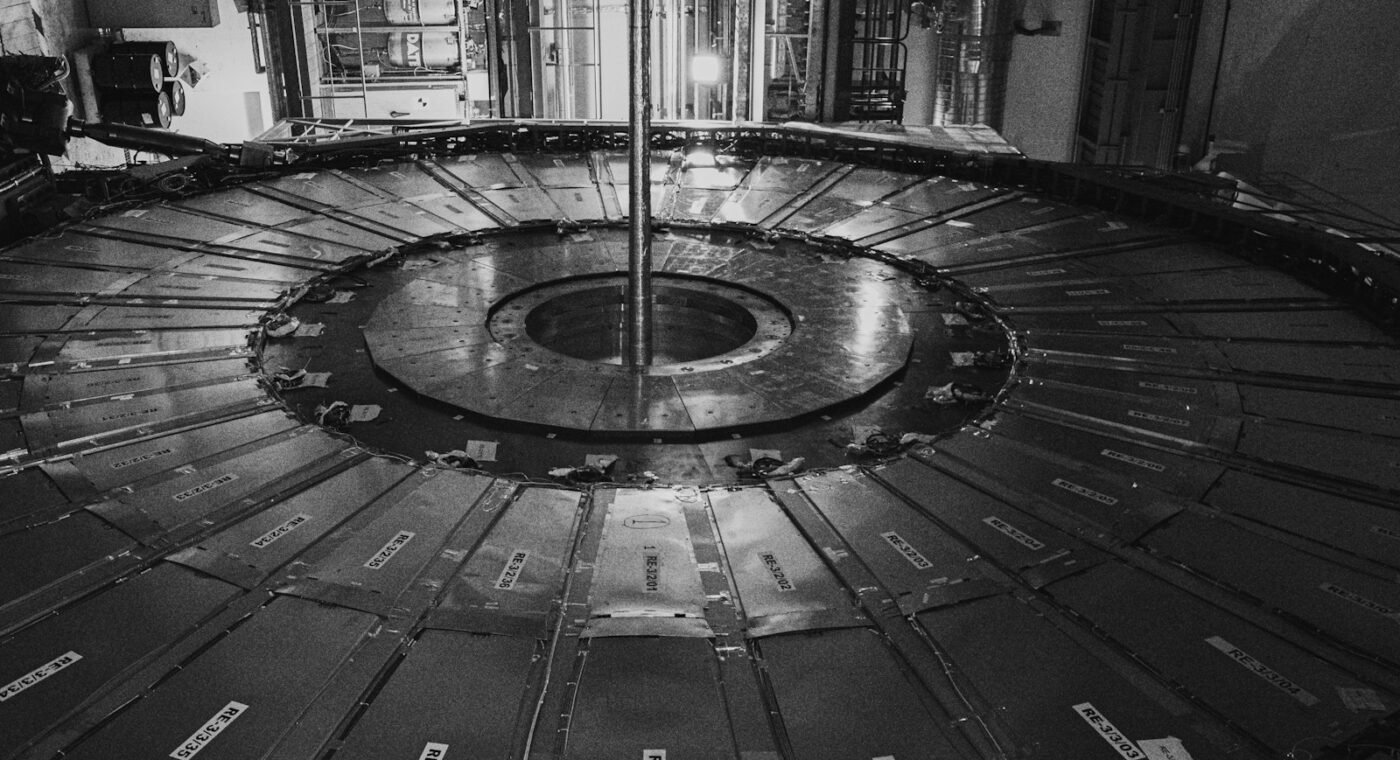
In particular, researchers were looking for signs of the neutrino’s antiparticle, whose existence was proposed in the 1930s by physicist Ettore Majorana but has never been experimentally confirmed. The instrument consists of more than a tonne of tellurium crystals, cooled to around -272 °C, very close to absolute zero.
According to ANSA, CUORE made it possible to determine precisely some previously unknown characteristics of neutrinos and helped steer new experiments, including the search for dark matter. Carlo Bucci, an INFN researcher and coordinator of the collaboration, described the project as a great scientific success and a remarkable technological feat that required innovative solutions in cryogenics and instrumentation.
For Ezio Previtali, director of the Gran Sasso laboratories, CUORE leaves behind not only a vast amount of data and results but also technologies, skills and innovations that will serve future cryogenic experiments in underground laboratories.