New Norwegian laboratory turns CO₂ into raw material
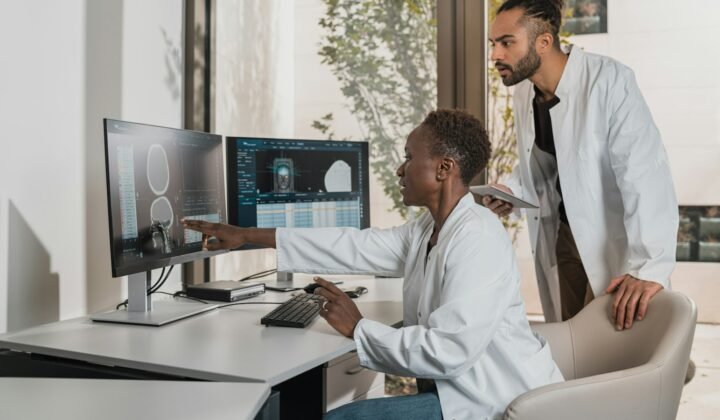
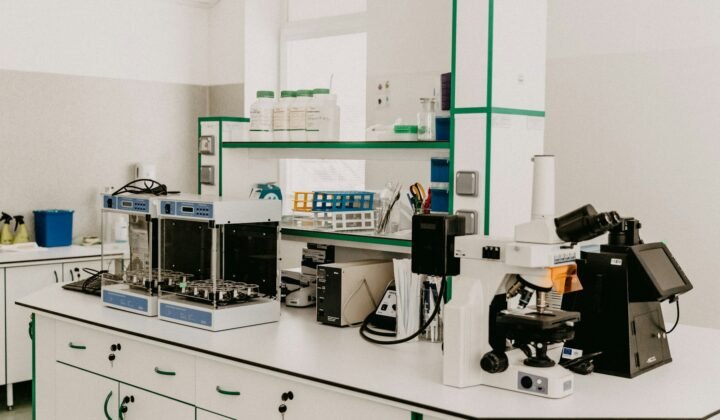
A new SINTEF pilot facility uses microorganisms to convert carbon dioxide into useful products.
A new SINTEF pilot facility uses microorganisms to convert carbon dioxide into useful products.
EPFL researchers have created a flexible motor just a few millimetres thick for lightweight, adaptable devices.
A reconfigurable system bypasses weakened cells and could delay the replacement of electric vehicle batteries.
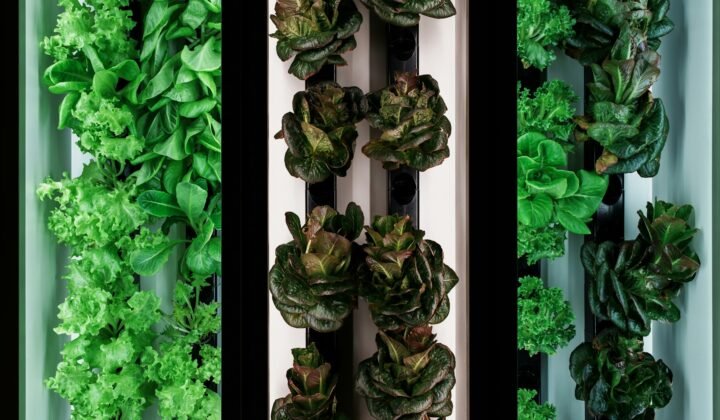
A fully automated facility handles indoor growing from seed to packaging and aims to strengthen food security.
Researchers tested 'digital twins' with 645 participants and found that AI predicts religiosity and extraversion well but tends to idealise people.
A prototype developed by Shandong Agricultural University aims to make choosing the most promising plants faster and more objective.
Researchers at the University of Tokyo have created a small capsule that, controlled by external magnets, extends a brush to collect samples from the intestinal wall.
The European WildBotics project, coordinated by the Bruno Kessler Foundation, aims to monitor wild animals more precisely and less invasively.
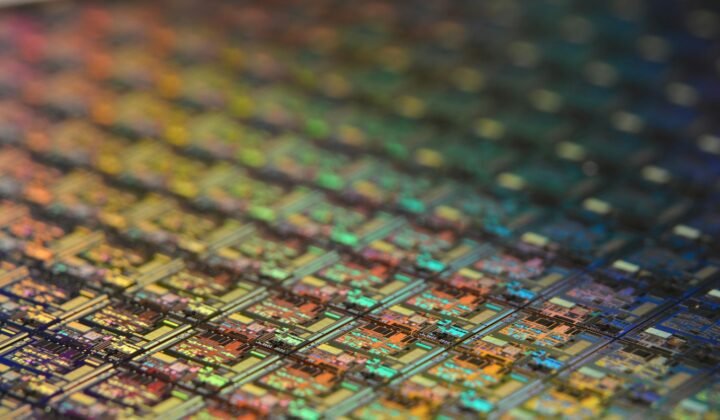
A porous silicon layer made it possible to orient gallium nitride nanowires, which then emitted more than three times as much light, an advance useful for micro-LEDs and nanolasers.
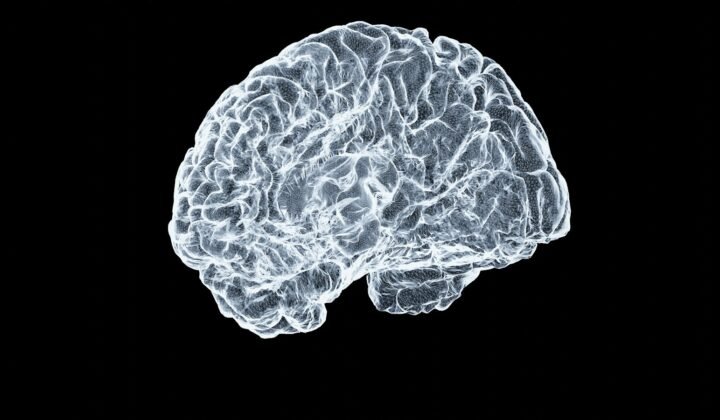
The Luxembourg Institute of Health's BrainEXP project aims to extract from routine MRI scans information that currently requires a PET scan, which is more expensive and less accessible.
A communication system designed for the Internet of Things has sent high-definition video from a drone in flight, paving the way for communications in disasters and mountainous areas.
Fraunhofer IGD has developed software that measures bone density from routine CT scans, with no additional tests for the patient.
Every morning at 8, a story to make you smile. No spam, no drama.