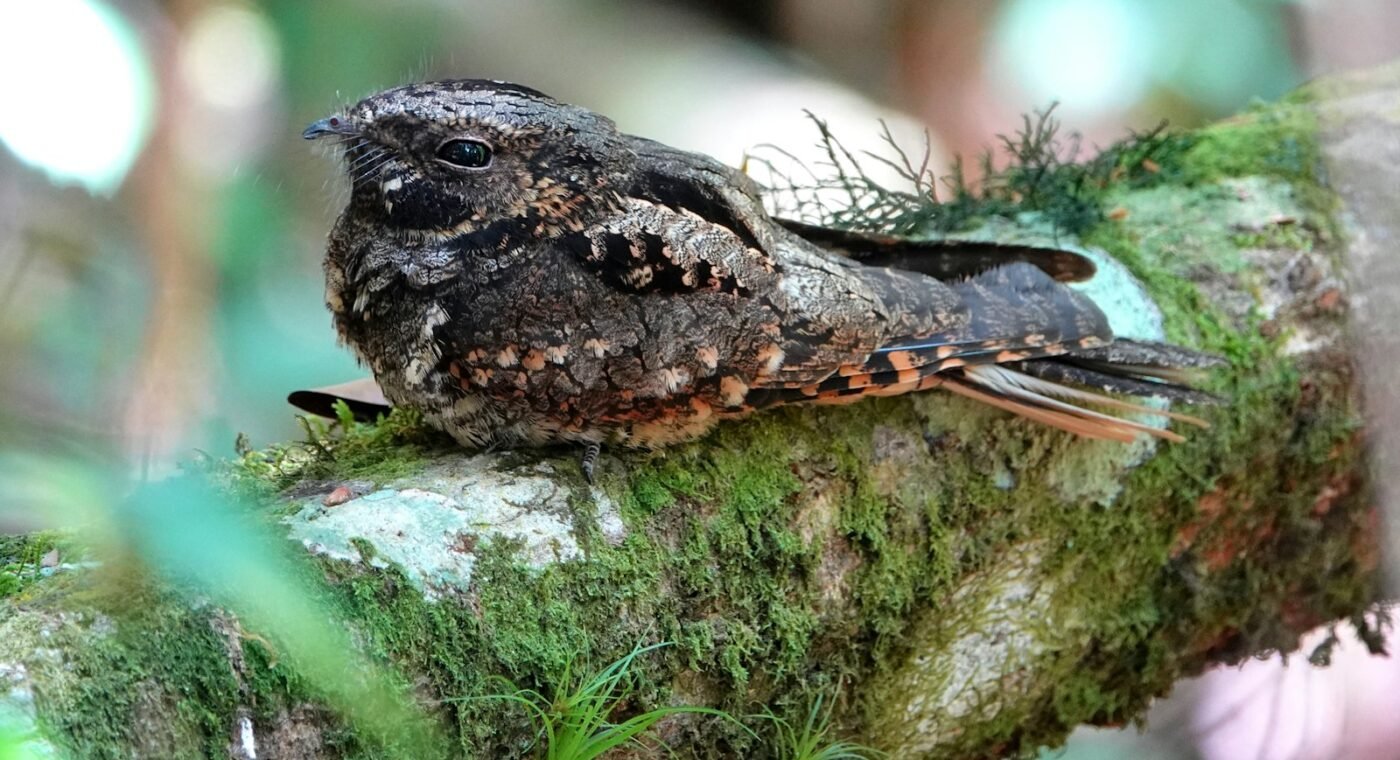
A team from Lund University in Sweden studied the European nightjar, a nocturnal migratory bird that travels each year between Europe and southern Africa. In a wind tunnel, the researchers watched the birds fly at different speeds and measured the airflow they leave behind.
The results suggest that the broad wing tips help the nightjar fly slowly and manoeuvre while hunting insects, but make lift less efficient at higher speeds. The team also found that the birds generate thrust during the upstroke, a behaviour previously associated mainly with bats and insects.
According to the authors, the species’ wings are a compromise between long-distance migration, foraging, slow flight and manoeuvrability. Researcher Christoffer Johansson now wants to find out how common this kind of force generation is among other birds and flying animals, and says the findings could inform the design of drones and flapping aircraft.
The study was published in the scientific journal PLOS Biology.