St Petersburg university tests seed coating that boosts wheat yields
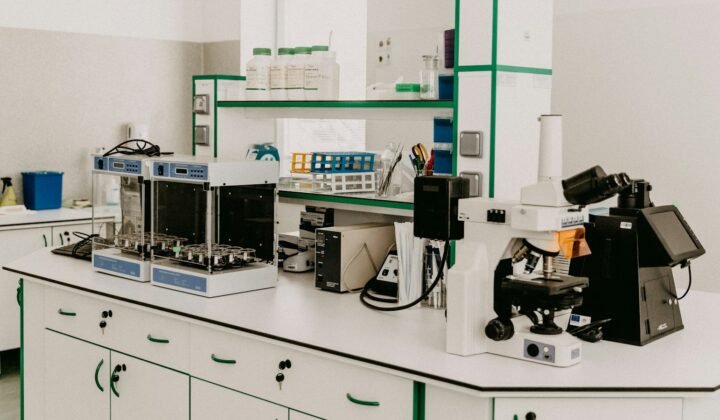
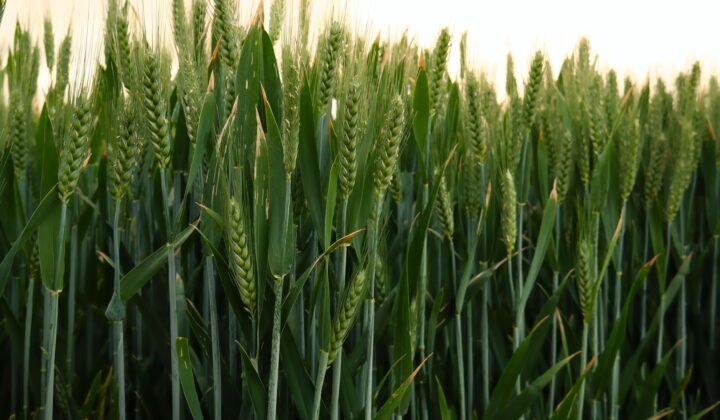
Russian chemists have developed a chitosan and glyoxal treatment that, in the laboratory, raised wheat productivity more than 1.5-fold and lowered the risk of disease.
Russian chemists have developed a chitosan and glyoxal treatment that, in the laboratory, raised wheat productivity more than 1.5-fold and lowered the risk of disease.
Researchers at the University of Tokyo have created a small capsule that, controlled by external magnets, extends a brush to collect samples from the intestinal wall.
The Cape Verdean canoeist finished second in the under-23 K1 1000 metres at the African Sprint Canoeing Championships in Algeria.
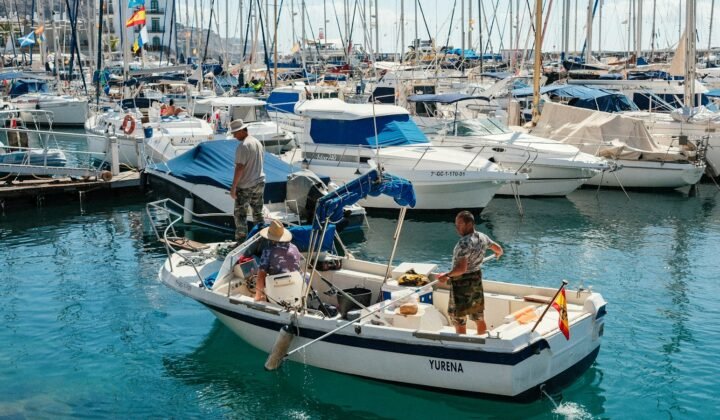
Almost 5,000 fishermen work with the Ecoalf Foundation, whose programme has already removed more than 2,000 tonnes of waste from the oceans.
Amphistar uses a yeast to turn organic leftovers into surfactants, key ingredients in cleaning products and cosmetics, as an alternative to petrochemicals.
The European WildBotics project, coordinated by the Bruno Kessler Foundation, aims to monitor wild animals more precisely and less invasively.
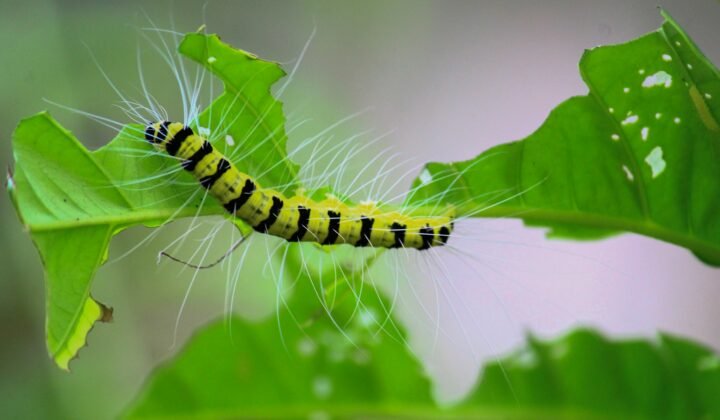
Authorities are relying on biological control and caterpillar-collecting contests to protect the Chinese capital's trees.
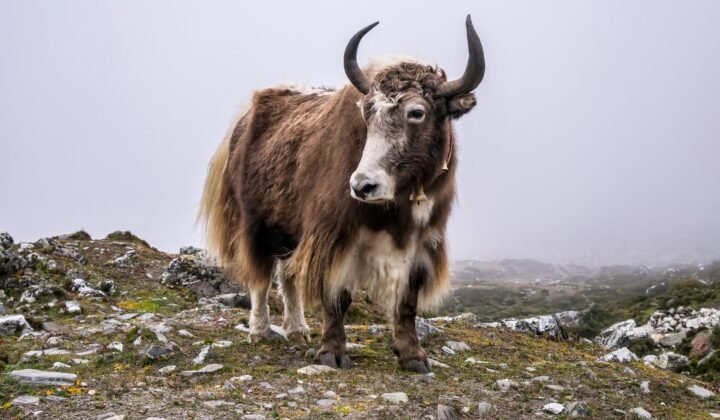
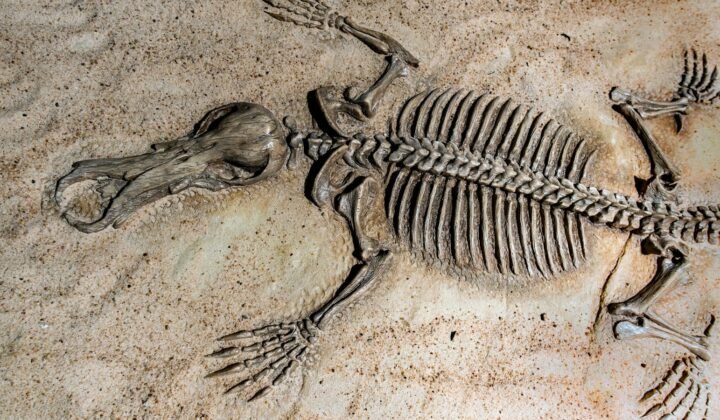
An international team has identified, from bone fragments found in Denisova Cave, a previously unknown bovine that lived in southern Siberia for hundreds of thousands of years.
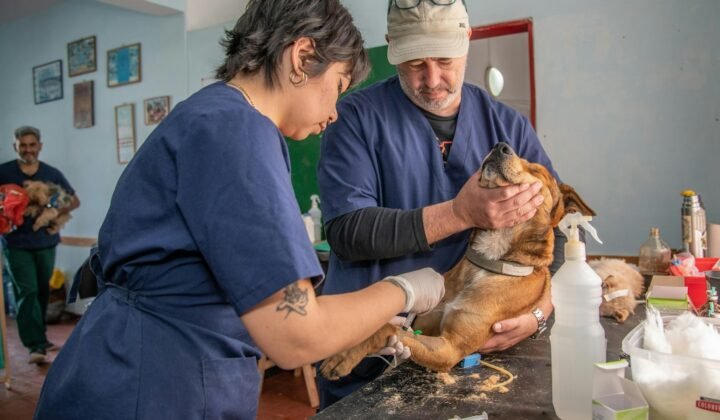
The second neutering and deworming campaign for dogs and cats in Ribeira Brava saw a turnout the veterinary team described as very positive.
UCLouvain researchers have shown that the kitefin shark, the largest known luminous vertebrate, erases its own silhouette to approach prey swimming below it.
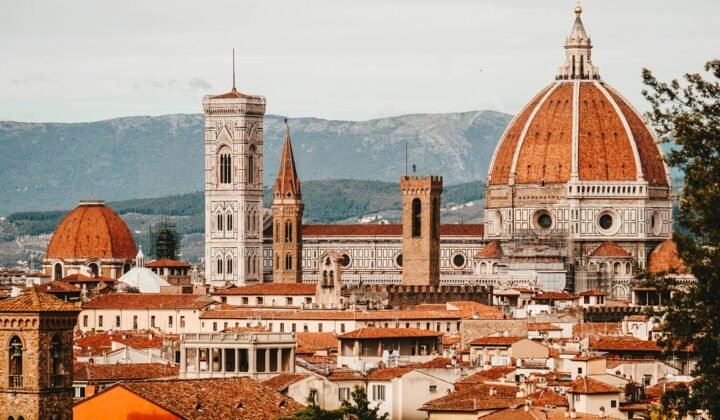
The Italian institution is now among the top 16.3% of almost 2,300 universities assessed in 118 countries.
Norellraptor barsboldi, about 100 million years old, suggests flight arose independently in several dinosaur lineages.
Every morning at 8, a story to make you smile. No spam, no drama.